Best Season To Visit Hunza

Nestled in the heart of the mighty Himalayas, the enchanting Hunza Valley beckons travelers with its breathtaking landscapes and rich cultural heritage. Choosing the best time to visit this gem is crucial for an unforgettable experience, as each season unveils a unique facet of its beauty.

1. Spring (April to June):
Hunza Valley awakens from its winter slumber during spring, transforming into a vibrant kaleidoscope of colors. April to June is the ideal time to witness the valley adorned with blooming flowers and fruit orchards in full blossom. The temperature remains moderate, making it perfect for exploring the ancient forts, stupas, and picturesque villages without the biting cold of winter.

2. Summer (July to August):
Summer in Hunza Valley brings a burst of warmth and is considered the peak tourist season. The higher temperatures make it easier to access the higher-altitude regions, such as Khunjerab Pass, the highest paved international border crossing in the world. This is also the time when local festivals and cultural events are in full swing, providing a deeper insight into the traditions of the warm-hearted locals.

3. Autumn (September to November):
As summer bids adieu, the valley transitions into a golden paradise during autumn. The landscape is bathed in warm hues of red, orange, and gold as the leaves change color. The weather remains pleasant, and the crisp air adds a magical touch to the scenery. Autumn is an excellent time for trekking, as the trails offer unparalleled views of the surrounding peaks against the backdrop of the changing foliage.

4. Winter (December to March):
For those seeking a winter wonderland, visiting Hunza Valley during the snow-covered months is an enchanting experience. The valley is blanketed in pristine white, creating a serene and ethereal atmosphere. Winter sports enthusiasts can indulge in activities like snowboarding and skiing. However, keep in mind that some areas may be inaccessible due to heavy snowfall, and temperatures can drop significantly, so be prepared for the chilly weather.

Conclusion:
Determining the best time to visit Hunza Valley depends on personal preferences and the experience you seek. Whether you prefer the vibrant colors of spring, the lively festivals of summer, the golden landscapes of autumn, or the serene beauty of winter, Hunza Valley promises an unforgettable journey at any time of the year. Each season unveils a different side of this Himalayan jewel, ensuring that every visit is a unique and magical experience.
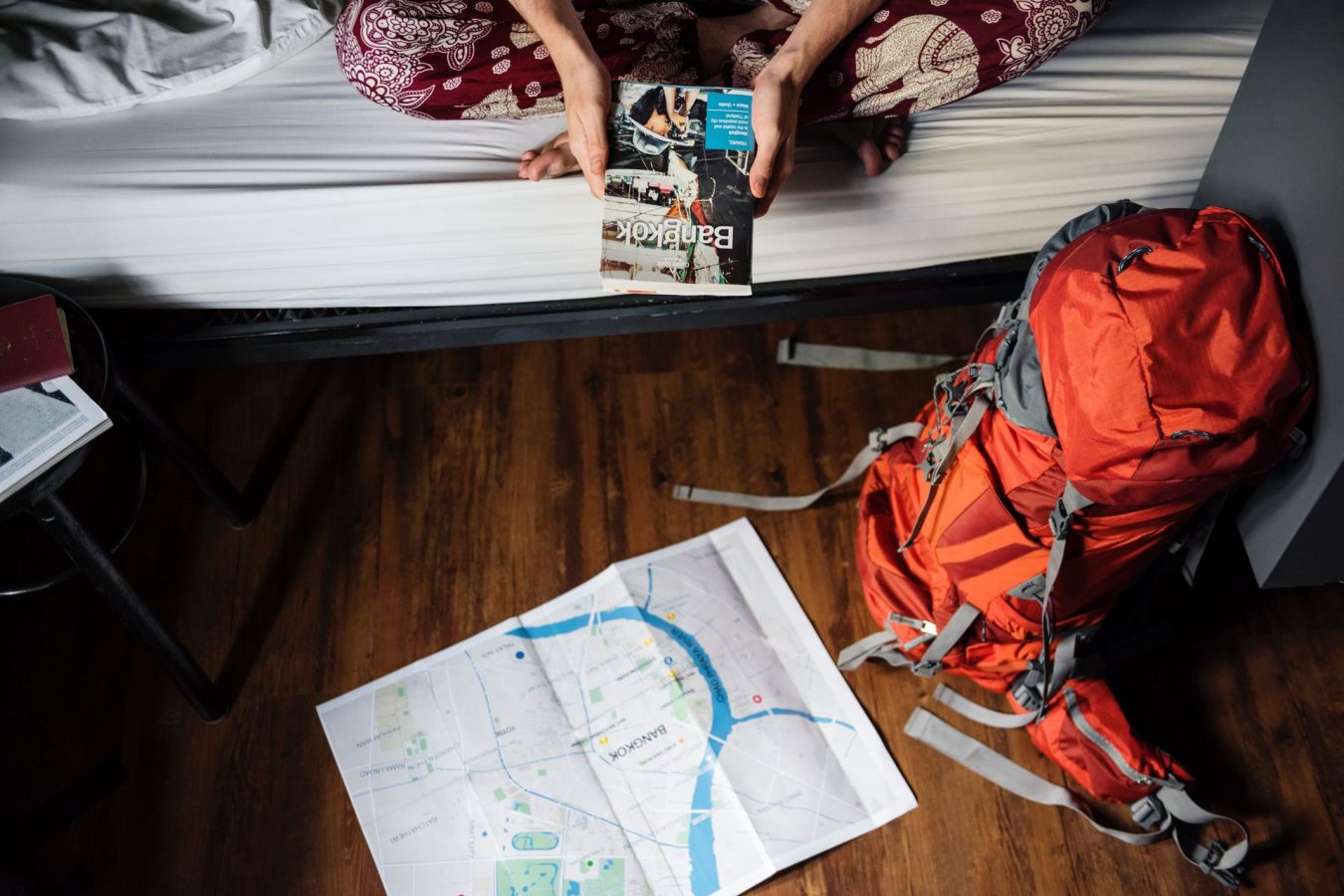
Travel Essentials

Pakistan is one of the most beautiful Asian Countries in the world. It is one of the few countries which experience four seasons. From its city life to its northern areas, it is totally beautiful and attractive. Whether you are traveling for a trip or to your family in Pakistan, there are a few important things that you need to keep in your travel bags. Following is the list of the things that are necessary to be kept.

Important Documents

You must have the important documents which include your identification cards, passport, visa, and other official documents. These documents are mostly required at airport immigration services. Without these documents, you cannot travel to Pakistan.

First Aid Box and Medication

The first aid box is very essential to keep because you never know about the weather changes and different diseases that can attack you. The basic meds for headache, stomach, cough, and flu and other pains are very necessary to be kept in your travel bag instead of going for local shops to find them.

Clothes and Shoes

Shoes and clothes should be kept according to the weather conditions of the country. For example, if you are going to Pakistan in summers (April-September) you need to have cool cotton clothes with you. But if you are traveling in winter (October-February) you will need to have warm clothes e.g., jackets, sweaters, etc. Apart from the weather, the clothing also depends on the area that you are going to visit. Therefore, always pre-check the required clothes before going. And when it comes down to shoes then always keep you comfy with you because if you use local transport in Pakistan, you’ll need your most comfortable shoes like joggers, etc.


Local Currency

It is very important to keep the local currency of Pakistan i.e., Pakistani Rupees with you before going there. There are fewer concepts of online payments in northern areas and many other remote areas of Pakistan. For easy shopping sand transactions, it is very feasible to have local currency rather exchanging your currency first. Plus, you will be saved from the payment of the exchange rate fee if you exchange your currency there.

Plugs

The voltage in Pakistan is different from other countries i.e., 220-240 Volts. To keep your appliances, electronics and especially mobile phones safe from electricity frying, you need to keep your own plugs and converters with you. Also, power banks are very essential because if you travel to Northern Areas, the routes are very long; therefore, you should have your power bank with you so that you don’t run out of your mobile batteries.

Other important things to keep

There are always some other extra things to be kept before traveling to any city or country. Things like nourishing creams for your skin, tissue rolls or tissue papers, small snacks like fires, gums and candies are also traveled buddies. Also, keep your sterilized water bottles with you while traveling. And other small personal stuff that you think is important to you should be kept alongside. All the above-mentioned things are very important to be kept before traveling to Pakistan. If you complete this list, you will have a safe and sound travel experience in Pakistan.

Be Smart When Choosing Bag

Make sure to buy a bag with enough space and pockets that can carry all or at least most of your essential stuff and avoid putting unnecessary stuff.
Whatever you carry, make sure to organize your stuff so you don’t have to face any hassle. The basics include long-sleeved shirts, jackets, sweaters, pants/jeans, shorts, socks, shoes, sleepwear, dresses, make-up, jewelry, hat, sunglasses, cell phone charger, adapters, and bandana or scarf. Just keep your luggage light so choose only those things that you will use on the trip.


Toiletry Bag

The toiletry bag basics are – deodorant, toothpaste, toothbrush, mouthwash, hairbrush, bobby pins/barrettes, hair ties, face wash, face lotion, shampoo and conditioner, personal hygiene items, moisturizer, and glasses, etc which you need to take along with you.

WHAT TO PACK FOR HIKING TOUR TO NORTHERN PAKISTAN

Traveling to northern areas in Pakistan for a trekking tour can be the most refreshing and soul-cleansing experience. The areas are remote and you want to make sure you already have all the essentials you may need.
Depending upon your trip, you may want to add or subtract some of the things we have mentioned below. But comprehensively, your packing list should be divided into three parts.

Road Journey

Traveling to the mountains means your long road journey will start from Islamabad, and your main luggage bag will be tied up on the roof. You may not have access to it until 8-18 hours and so it will be helpful to have a smaller day pack/tote bag for the bus ride, with the following essentials.

Travel Pillow:

Sleeping Mask & Ear Plugs: Warm Shawl/Lightweight Jacket
A change of clothes
Gadgets & ChargersBook & Notepad
Mints, Sanitizer, Wet Wipes & Tissue paper
Toiletries
Snacks

Hiking

When you start the hiking part of the journey, it is recommended that you carry as little as possible (unless there is no porter service available). The following are the only things you will need to wear/carry.
1. Hiking boots/Sturdy Joggers:
2. Cargo Pants/Hiking Trouser.
3. Full Sleeve Tees:
4. Lightweight Jacket:
5. Hat, Sunglasses, Sunblock:
6. ORS/Tang:
7. Refillable Water Bottle:
8. Snacking Bars/Dry Fruits:
9. Camera:
10. Hiking Stick (optional):

Sight Seeing/Lounging Around The Camp


This is for the rest of your time other than hiking & road journey:
1. 4 Tees/Tops
2. 1 Comfortable linen pants
3. 1 Jeans
4. Hoodie/warm sweater
5. Warm scarf
6. Beanie/warm hat
7. Gloves
8. Pair of socks: 1 for each day
9. Walking shoes/sandals: this is your backup shoe, just in
10. Flipflops: your feet will thank you for some air after hours of hiking shoes
11. Travel size towel: you don’t want to freeze after washing your face
12. Flashlight: for finding the toilet at night time